


Latest

Manoj Bajpayee reacts to Tiger Shroff firing incident, says “That’s really scary” : Bollywood News www.bollywoodhungama.com
Veteran actor Manoj Bajpayee has expressed concern over the firing incident targeting Tiger Shroff’s car in Mumbai’s Juhu neighbourhood, describing...
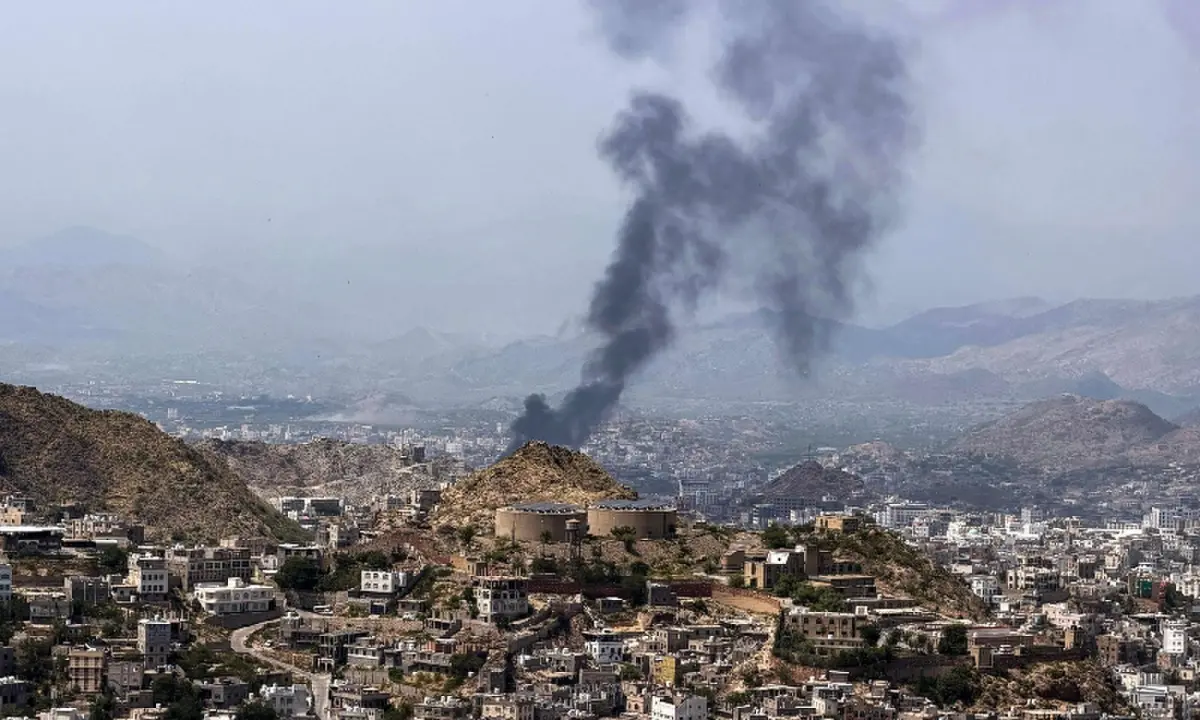
Saudis intercept more drones as conflict with Houthis spirals – World www.dawn.com
• Coalition downs six drones launched towards cities, including Madina, as interception debris kills two • Rebels deny ‘deep operations’...

Girls’ flag football: Wednesday’s Southern Section playoffs scores www.latimes.com
Oct. 21, 2026 7:33 PM PT HIGH SCHOOL FLAG FOOTBALLSOUTHERN SECTION PLAYOFFS WEDNESDAY’S RESULTS First Round OPEN DIVISIONPool A#1 JSerra...

What happened during Witkoff and Kushner’s latest meeting with Putin | Vladimir Putin News www.aljazeera.com
United States special envoys Steve Witkoff and Jared Kushner have wrapped up their latest meeting with Russian President Vladimir Putin...

IAEA says Barakah drone-strike response was effective www.world-nuclear-news.org
An International Atomic Energy Agency mission to the United Arab Emirates has said that effective action was taken following the...

Leading NBFCs flag early signs of repayment stress in gold loan segment www.business-standard.com
Bajaj Finance and Piramal Finance flag early signs of stress in gold loans as rapid lending growth raises concerns over...

See ‘Rings of Power’ Season 3 trailer’s forging of the One Ring www.latimes.com
“The Lord of the Rings” fans have reason to celebrate with the release of “The Rings of Power” Season 3...

Xbox Cloud Gaming gets a standalone pay-as-you-go option www.digitaltrends.com
Microsoft may already be putting pieces of its rumored Game Pass overhaul into place. A recent report claimed that Xbox...

Women take to social media to break the taboo of UTIs www.bbc.co.uk
"The impact goes far beyond what people understand - we're talking about pain, urgency, sleepless nights and missing out on...

Aijaz Aslam shares thought-provoking message on society normalising sin tribune.com.pk
The actor questioned society’s normalisation of sin while reflecting on the emotional finale of Pehli Baarish Pakistani actor Aijaz Aslam...
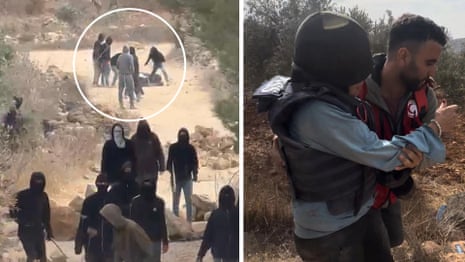
Heidi Levine recounts how Palestinian youths helped save her in settler attack | Israel www.theguardian.com
The Washington Post photojournalist who was attacked and seriously injured by Israeli settlers in the West Bank on Friday has...

Apple Limitis iPhone Duo Purchases to 2 Foldable Phones Per Person www.cnet.com
If you were hoping to score multiple iPhone Duo devices from Apple when the new foldable becomes available on Friday,...

US State Department orders some staff to leave Saudi Arabia as attacks escalate – BBC www.bbc.com
US State Department orders some staff to leave Saudi Arabia as attacks escalate BBC Source link

'Always Yours, Never Mine' Official Trailer | Joshua Garcia, Julia Barretto
'How can you choose a love that keeps on changing?' Take a glimpse into a story that challenges the limits...

Fire crews battle large fire at golf cart business near US-1 in St. Johns County www.news4jax.com
News4JAX viewer shares photo of large plume of smoke from fire at golf cart business (WJXT)ST. JOHNS COUNTY, Fla. –...
Latest News
Global Latest News

Iran says Egypt entering Yemen war makes situation ‘more difficult’ www.dawn.com
Iranian Foreign Minister Abbas Araghchi says any interference in the Yemen war by Egypt or any other country will make...

Yemeni government forces claim 835 strikes against Houthis in 24 hours www.aa.com.tr
Sahin Demir21 October 2026•Update: 21 October 2026Yemeni government forces said they carried out 835 strikes against Houthi positions and military...

AI exposes ‘vulnerabilities’ affecting 70% of internet: Report www.yahoo.com
(NewsNation) — "Critical vulnerabilities" have been found in a widely used programming language powering many websites and web applications, according...


Websites taken down worldwide as critical PHP cyber-security update issued www.bbc.com
"PHP is everywhere. It quietly powers WordPress, Drupal, Joomla, and Magento sites, shared hosting platforms, control panels, and an awful...
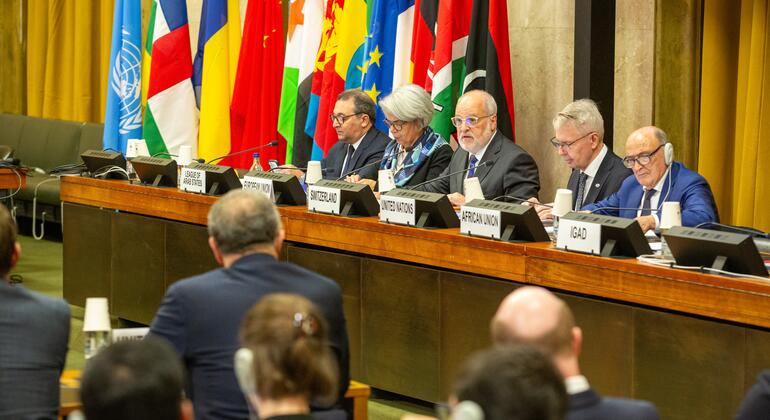
Sudan conflict: Peace efforts resume to end ‘drone war’ fuelling humanitarian crisis news.un.org
“Our first session, devoted to de-escalation, will offer an opportunity to explore practical ways forward,” said Pekka Haavisto, Personal Envoy of...

Macron accuses foreign leaders of exploiting French riots for political gain www.bbc.com
Speaking in the Qatari capital Doha, the French president said: "For me, there is no visible foreign interference in the...
Sisi says Egypt to ‘defend Saudi territory’ and will not attack Yemen: state media www.dawn.com
Egyptian President Abdel Fattah Al-Sisi says Cairo’s proposed military support for Riyadh is to “defend Saudi territory, and does not...

US orders departure of some embassy staff and families from Saudi Arabia amid Houthi threat edition.cnn.com
The US State Department ordered the departure of non-essential staff and family members at its embassy in Riyadh, a move...
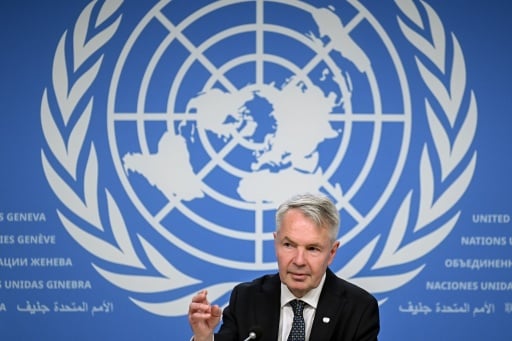
No military solution in Sudan: UN envoy www.modernghana.com
There is no military solution to the civil war tearing Sudan apart, the United Nations envoy on the conflict insisted...

‘Ominous start’ to West Bank olive harvest amid settler attacks news.un.org
At least 160 Israeli settler attacks linked to the olive harvest were recorded in the first two weeks of October,...
